February 25, 2026
As roofs are exposed to the elements continuously, they require consistent maintenance to perform efficiently and maintain the building's structural integrity. Neglecting minor damages can lead to severe issues, resulting in costly repairs or replacements. Therefore, understanding how to identify, repair, and maintain roof damage is crucial in enhancing the longevity of your building. This article discusses the importance of timely roof repairs and how they contribute to extending the life of your building. We will explore various types of repairs, maintenance tips, and professional insights to ensure your roof remains robust and reliable.
Different Types of Roof Damage
Common Causes of Roof Damage
Roofs are subjected to various environmental elements that contribute to their wear and tear. Common causes of damage include weather conditions such as heavy rains, snow, hail, and UV radiation from the sun. These elements can cause erosion, water leaks, and even structural damage. Additionally, poor installation, lack of maintenance, and natural wear over time can accelerate deterioration. Understanding these factors is crucial in developing effective strategies to mitigate potential damage.
Signs of Roof Deterioration
Identifying early signs of roof deterioration can prevent minor issues from escalating into significant problems. Common signs include missing or damaged shingles, water stains on ceilings, and the presence of mold or mildew. Sagging areas and damaged flashing can also indicate severe underlying issues. Regular inspections can help in discerning these signs early on, allowing for timely roof repairs. Addressing these signs promptly is essential in preserving the life and functionality of your roof.
Impact of Weather on Roof Longevity
Weather conditions play a significant role in the lifespan of a roof. Extreme temperatures, heavy snowfall, and hurricanes can cause immediate and long-term damage to roofing materials. For instance, hot weather can lead to thermal expansion, causing cracks, while heavy snow can add excessive weight, leading to collapse. Therefore, understanding the influence of local climate on your roof can inform adequate maintenance and protective measures. This proactive approach can mitigate weather-related damages and extend the roof's lifespan.
Material-Specific Damage Considerations
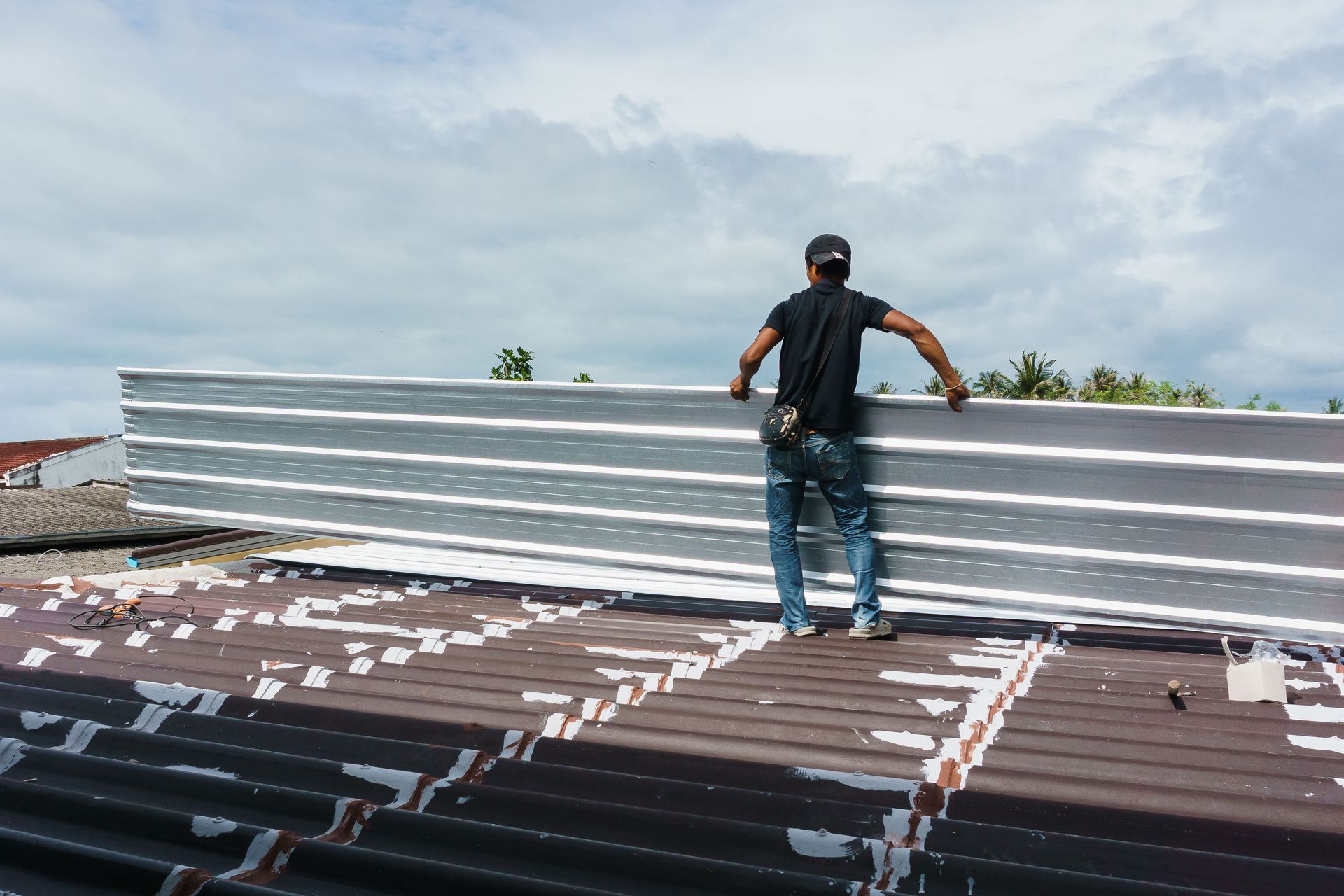
Different roofing materials have varying vulnerabilities and lifespans. For example, asphalt shingles are generally more susceptible to wind damage, while wooden shingles can suffer from moisture-related issues. Metal roofing, on the other hand, is known for its longevity and can last an average of 40 to 70 years, according to This Old House. Knowing the specific weaknesses of your roofing material can help in tailoring maintenance efforts to address these concerns. Consequently, this knowledge ensures that the roof remains durable and efficient for a longer period.
Identifying Structural Concerns Early
Structural issues in roofing can compromise the entire building's integrity. Early identification of structural problems such as weakened joints or beams, is essential in preventing further deterioration. These issues can often be detected through unusual sagging, cracks, or water leaks within the building. Engaging professionals for thorough structural assessments can help in identifying potential threats. Promptly addressing these concerns prevents major repairs down the line and safeguards the building's lifespan.
Important Regular Roof Inspections
Scheduling Routine Check-Ups
Regular roof inspections are vital in maintaining the health and longevity of your roof. Scheduling these inspections at least twice a year can help in identifying small issues before they escalate. Roofs are dynamic systems that require ongoing attention due to their constant exposure to varying conditions. Routine check-ups allow for timely interventions that can prevent costly repairs and prolong the roof's life. A proactive inspection schedule is an investment in the long-term performance of your building's roof.
Tools and Techniques for Effective Inspections
Using the right tools and techniques for roof inspections can enhance their effectiveness significantly. Tools such as ladders, safety harnesses, and moisture meters are essential when inspecting roofs. Additionally, techniques like thermal imaging can help in spotting hidden moisture and insulating deficiencies. Professional inspectors often utilize drones for a comprehensive view, ensuring all areas are thoroughly examined. Employing advanced tools and methods ensures potential issues are quickly detected and addressed.
Documenting and Tracking Roof Condition
Documenting the condition of your roof is essential in maintaining a detailed history of its performance and repairs. Keeping records of inspections, repairs, and materials used can provide valuable insights for future maintenance. Tracking these details allows homeowners to anticipate potential issues based on the roof's history. Additionally, documented reports can facilitate insurance claims when unforeseen damages occur. Efficient record-keeping is a crucial aspect of effective roof management and longevity.
How Inspections Help in Preventive Maintenance
Inspections are a cornerstone of preventive maintenance, offering an opportunity to address issues before they become major. By identifying potential problems early, timely roof repairs can be initiated, avoiding more extensive damage. Preventive maintenance also helps in sustaining the roof's performance and efficiency. This approach enhances its durability and contributes to energy savings due to improved insulation and reduced leaks. Ultimately, prioritizing preventive maintenance through routine inspections can extend the roof's lifespan significantly.
Effective Roof Repair Techniques
Temporary Fixes for Immediate Issues
In instances where immediate repairs are necessary, temporary fixes can provide short-term solutions. These might include applying a tarp over a leak or using roofing cement to seal small cracks. While these solutions can prevent further damage temporarily, they should not replace comprehensive repairs. Temporary fixes are crucial in maintaining safety and mitigating immediate problems. However, it's important to plan for permanent resolutions promptly to avoid exacerbating the issues.
Comprehensive Repair Solutions
Comprehensive repair solutions involve addressing the root cause of the damage rather than just the symptoms. This approach often includes replacing damaged materials, improving structural elements, and enhancing protective features. Comprehensive solutions are essential for long-term roof performance, preventing recurrent issues. Employing professional services for these repairs ensures quality and effectiveness. Comprehensive roof repairs contribute significantly to the overall resilience and durability of your roof.
Choosing High-Quality Materials
Using high-quality materials during roof repairs is crucial to ensuring longevity and efficiency. Quality materials provide enhanced protection against environmental elements and have better endurance. For instance, metal roofing is renowned for its durability and long lifespan. Investing in superior materials may involve higher initial costs, but it pays off with reduced future repair needs. Prioritizing quality in materials is a critical factor in the overall effectiveness of roof repairs.
Ensuring Proper Installation Techniques
Proper installation techniques are key in fortifying the integrity of repairs and the roof's functionality. Incorrect installation can lead to premature failures and increased vulnerability to damage. Using skilled professionals ensures that modern techniques and protocols are applied meticulously. This attention to detail enhances the roof's structural stability and optimizes its performance. Proper installation establishes a solid foundation for enduring roof health and longevity.
Cost-Effective Repair Strategies
Balancing cost and quality is crucial in developing cost-effective repair strategies. It's essential to evaluate different repair options, comparing costs and anticipated effectiveness. Homeowners should consider long-term savings, often associated with higher initial investments in quality materials and skilled labor. Seeking multiple quotes and consulting professional advice can guide informed decisions. Ultimately, cost-effective repairs should prioritize durability and resilience, minimizing future expenditure.
A well-maintained roof plays a vital role in the longevity and sustainability of a building. By understanding potential issues, scheduling regular inspections, and employing effective repair techniques, building owners can ensure the roof remains in excellent condition for years. Moreover, investing in professional expertise and future-proofing strategies goes a long way in maximizing the lifespan and performance of your roof. The importance of staying proactive and informed cannot be overstated in the realm of roof maintenance. Vigilance in all aspects of roofing, from materials to inspections, is key to safeguarding your investment and preserving the structural integrity of your building. If you're looking for a reliable company for roof repairs, be sure to contact Oceanview Roofing & Inspections!